High-Pressure Drain Jetting in Antalya – Residential Sites, Apartment Buildings, Hotels and Flats
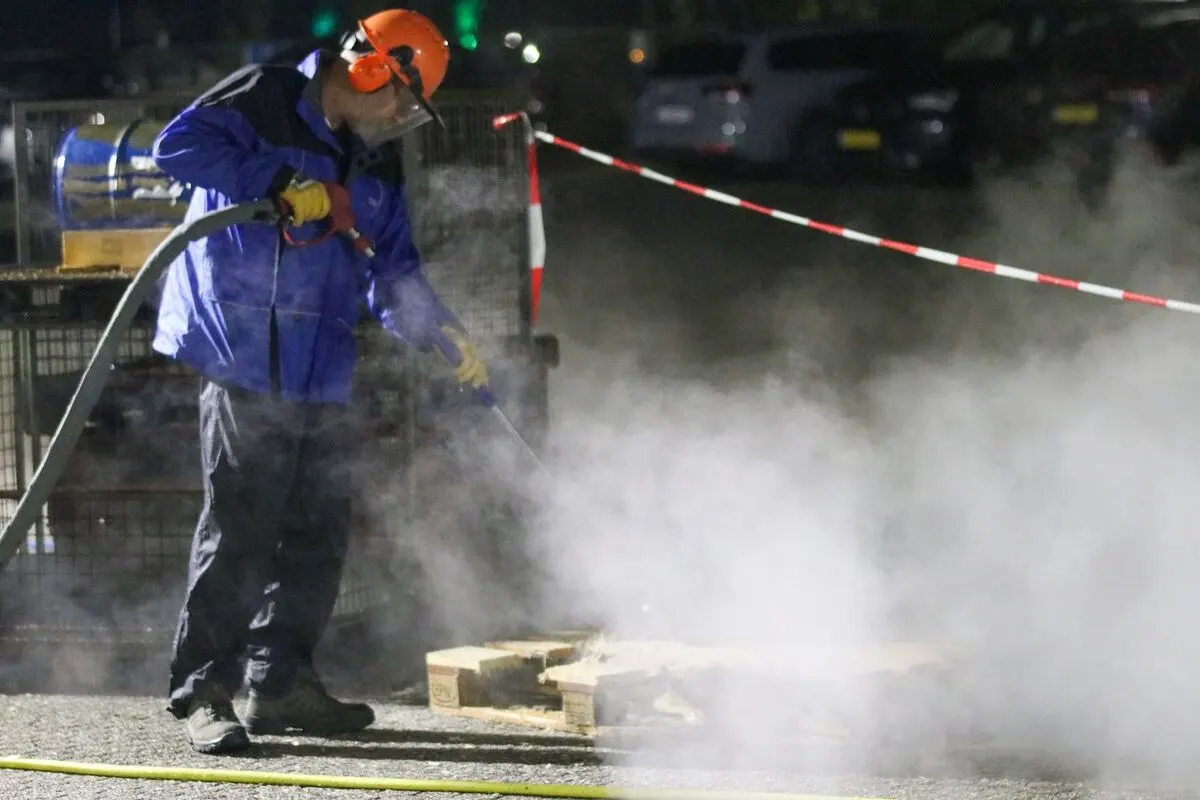
Nobody thinks about a building's sewer line until it blocks. Yet a blockage does not form overnight: over the years, grease, soap, limescale and sludge build up on the pipe wall, slowly narrowing the line until one day it shows up as a backflow in the lowest flat or in the car park. With the high-pressure water jetting machines we have invested in for large-scale work, Tesisat Antalya washes the sewer lines of residential sites, apartment buildings, hotels and flats from end to end, without breaking anything and without chemicals. Call us for a site survey: +90 532 694 74 19
What Is Drain Jetting?
Drain jetting sends high-pressure water into the pipe through a special hose and nozzle. Rear-facing jets on the nozzle drive the hose forward inside the pipe; as the hose is reeled back, the same jets wash the pipe wall all the way round and carry the loosened deposits towards the manhole. This way, the whole line is cleaned from manhole to manhole, not just the point where the blockage is.
This is different from our pipe unblocking service. Unblocking deals with a single plug that has stopped the flow; the line runs again, but the deposits on the pipe wall stay where they are. Jetting removes those deposits and restores the pipe's original bore. In short, unblocking is a response to a fault, while drain jetting is maintenance that prevents it.
Why Water Jetting?
- No breaking: We enter the line through existing manholes, inspection covers and rodding points. No floors, walls or landscaping are broken.
- No chemicals: Water alone does the cleaning. There is no need for acidic or caustic products that harm pipes, treatment systems and the environment.
- Cleans the wall, not just a hole: A spiral machine opens a path through the plug; a water jet strips the layer of grease, limescale and sludge from the pipe wall.
- Suited to long, wide lines: The long horizontal collector lines and wide main lines found on sites and in hotels are beyond the reach of hand-held machines. The machines we bought for large-scale work are designed precisely for these lines.
Who We Work For
Residential Sites
On residential sites, waste water from each block runs into a shared collector line and from there to the connection chamber that joins the city network. A narrowing in this shared line affects not one flat but a whole block or the whole site. When working with site management, we first map the manholes and the route of the line, plan the jetting block by block, and agree a schedule that can be announced to residents.
Apartment Buildings
In apartment buildings, the critical point is the horizontal line where the vertical soil stacks from the flats meet in the basement or under the ground floor. A narrowing here shows up as backflow from the toilet and floor drains of the lowest flat. When the stacks and the main line are jetted together, the problem is solved at its source instead of unblocking the ground-floor flat again and again.
Hotels
Hotels put more strain on sewer lines than any other building type in Antalya. High occupancy, heavy grease loads from the kitchen and laundry waste all meet in the same line. Grease solidifies as it cools inside the pipe and forms a thick layer on the wall. In hotels we treat the kitchen waste line, the connections to and from the grease trap and the main collector separately. We schedule the work for the lowest-occupancy hours or before the season, so the line enters the season clean without affecting guests.
Flats
Frequent, recurring kitchen or bathroom blockages in a single flat are usually caused by grease and limescale built up in the flat's own horizontal line. Opening the plug with a spiral gives temporary relief; jetting the line removes the deposits completely. Inside the flat, we work through an accessible rodding point on the line, without breaking anything.
Lines We Clean
- Vertical soil stacks: The main stacks running down through the building that the flats connect to
- Horizontal collector lines: Shared lines running through the basement, the car park ceiling or under the ground
- Manholes and inspection chambers: Removal of sludge and sediment, washing inside the chamber
- Connection chamber and city network connection: The final section where the building joins the municipal sewer
- Kitchen grease lines: Waste lines and grease trap connections in hotel, restaurant and site facility kitchens
- Rainwater and drainage lines: Lines from terrace, roof and car park drains
- Horizontal lines inside flats: The lines connecting kitchen and bathroom drains to the stack
How We Work
- Survey and route mapping: Manholes, inspection covers and rodding points are located on site and the direction of flow is established.
- Camera pre-inspection: On old or suspect lines, the inside of the pipe is inspected with a camera. Cracks, collapses or root intrusion are identified before jetting.
- Pressure and nozzle selection: The right pressure and nozzle are chosen for the pipe material, diameter and age. Different nozzle types are used for grease, limescale and roots.
- Jetting: The line is jetted section by section, planned according to the direction of flow. Loosened deposits are carried to the manhole and removed from there.
- Waste collection: Sludge and sediment collected in the manhole are removed and the work area is left clean.
- Final check and record: The jetted line is checked again with a camera. A record of the work is shared with the management or owner, together with a recommendation for the next maintenance visit.
Signs Your Line Needs Jetting
- Backflow on lower floors: Water rising from toilets and floor drains in ground-floor or basement flats
- Slow drainage in several flats: If the problem appears in several flats at once rather than one, the shared line is narrowing
- Odour from manholes and drains: Sewer smell in the garden, car park or basement, especially on hot days
- Gurgling drains: Air bubbles and noise from one drain when a basin or toilet is emptied
- Recurring blockages: A blockage that returns soon after being cleared at the same point
- Car park drains overflowing in rain: Sludge and sediment building up in the drainage line
Conditions Specific to Antalya
- Hard water: Antalya's limescale-rich water combines with grease and soap to form a hard layer on the pipe wall. A spiral can drill through this layer, but only a water jet can strip it.
- Tourist season: Hotel, aparthotel and holiday rental lines run far above capacity throughout the season. Jetting before the season prevents a backflow at the busiest time of year.
- Holiday homes left closed for months: On sites that stand empty, waste inside the line dries and hardens on the wall. Blockages begin with the first heavy use when the season opens.
- The first autumn downpours: Dust, leaves and sediment that collect in drainage lines over the summer move with the first heavy rain. Car park and terrace lines that are not jetted before the rainy season overflow in the first storm.
- Citrus roots: On sites and detached properties with gardens, roots enter the line through small cracks. They are cleared with a root-cutting nozzle, and the point of entry is located with a camera.
For Site and Building Managers
Maintaining a shared sewer line is the joint responsibility of the building, not of a single flat, and it works best as planned maintenance. When working with managers, we:
- Survey on site and agree the condition of the line and the scope of work together; the site survey is free of charge.
- Plan the work by day and time so it can be announced to residents in advance.
- Work block by block on large sites, so the whole site is never affected at once.
- Report the work with camera footage at the end and recommend the next maintenance visit.
In the event of an urgent backflow or overflow, our 24/7 emergency team steps in.
Frequently Asked Questions
- What is the difference between drain jetting and unblocking a drain? Unblocking targets a single plug; the line runs again, but the layer of grease, limescale and sludge on the pipe wall stays in place. With jetting, the whole line is washed from manhole to manhole and the build-up is removed.
- Can water jetting damage the pipes? Not when the right pressure and nozzle are used. Pressure is set according to the pipe material, diameter and age. Old or suspect lines are inspected with a camera before jetting.
- Can residents use the drains while the line is being cleaned? Flats connected to the section being jetted should not use that line during the work, so the work is planned section by section and announced in advance.
- How often should a sewer line be jetted? It depends on how heavily the line is used and what it carries. The right interval is recommended for each building after the first jetting.
- Do you provide a report or footage? Yes. After jetting, the line is checked with a camera and a record of the work is shared.
- Do you speak English? Yes. Our team includes English-speaking staff and we regularly work with international residents and property owners in Antalya.
To plan a survey for your site, building, hotel or flat, call us now: +90 532 694 74 19
← Back to Services
