Water Leak Detection in Antalya — Acoustic Listening and Thermal Camera, No Breaking
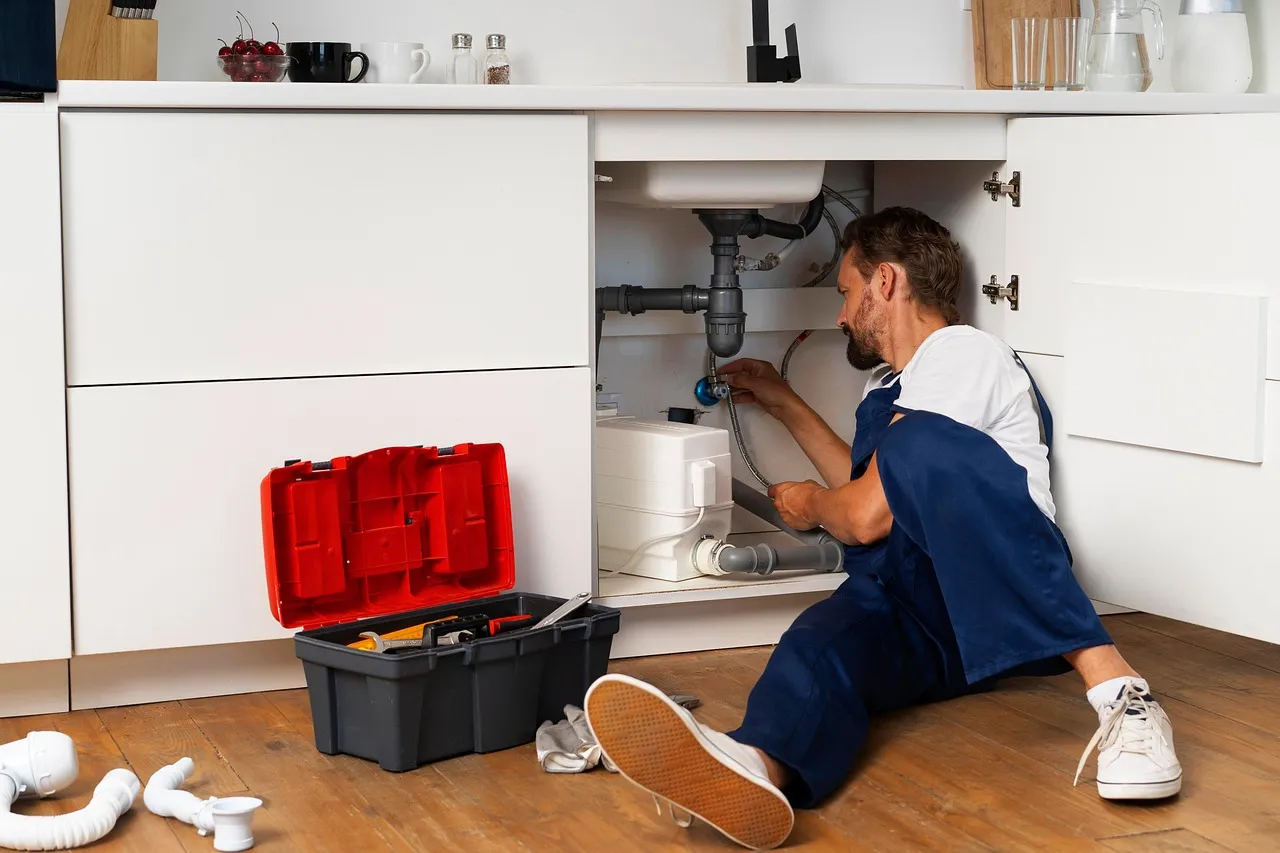
A hidden water leak is one of the most damaging and costly plumbing problems a property owner can face. Behind walls, under floors, or deep in the ground — a leak can go undetected for months while silently inflating your water bill, rotting wooden floors, and spreading damp through your walls. As Tesisat Antalya, we locate water leaks across all districts of Antalya — Konyaaltı, Muratpaşa, Kepez, and Lara — using acoustic listening devices and thermal cameras, indoors and outdoors. A pressure check tells us which line is leaking, and on lines under gardens, car parks and streets we detect leaks down to 3 metres deep outdoors, resolving the vast majority of cases without breaking a single tile or opening a single wall. Call us 24/7: +90 532 694 74 19
Signs You Have a Hidden Water Leak
Concealed leaks rarely announce themselves dramatically. Watch for these warning signs:
- Unexplained Water Bill Increase: If your consumption habits haven't changed but your bill has doubled or tripled, an invisible leak is the most likely cause. Even a small pinhole in a pipe can waste thousands of litres per month.
- Damp Patches or Stains on Walls: Yellow-brown stains, bubbling paint, or crumbling plaster on a wall that has no obvious water source point to a leaking pipe inside the structure.
- Swollen or Discoloured Flooring: Parquet or laminate flooring that has buckled, changed colour, or feels spongy underfoot is a classic sign of water seeping up from below.
- Mould or Musty Smell: Recurring mould in the same spot — especially in a bathroom or kitchen — often means a slow leak is continuously feeding moisture into the wall or floor structure.
- Boiler Constantly Losing Pressure: A combi boiler that needs topping up with water every few days likely has a leak somewhere in the central heating or underfloor heating circuit.
- Downstairs Neighbour Complaining: If the apartment below reports water stains on their ceiling, the leak may be originating from your property. Detecting it quickly is both a legal and a neighbourly necessity.
- Water Meter Moving at Night: Turn off all taps and appliances, then check your water meter. If the dial is still moving, you have an active leak somewhere in the building.
How We Find Leaks Without Breaking Anything
Many plumbers in Turkey resort to breaking walls or floors as their first step. We do not. Tesisat Antalya starts with a pressure check and then combines acoustic listening, thermal imaging and moisture mapping, an approach that resolves over 90% of leak cases without any destructive opening:
1. Pressure Check
The first step in any leak search is to establish whether there really is a leak and which line it is on. The installation is split into sections with its valves; the cold water, hot water, boiler heating circuit and garden line are each pressurised separately and the pressure drop is watched on a gauge. The line that loses pressure is the line with the leak. This way, acoustic listening and the thermal camera work directly on the faulty line rather than across the whole property, and detection is much faster and more precise.
The pressure check is repeated after the repair: the line is pressurised again, and if the pressure holds, the repair is confirmed. On new installations and after renovations, a pressure test carried out before tiles and plaster close up the pipes prevents leaks from appearing later.
2. Thermal Camera (Infrared Imaging)
A thermal camera converts surface temperature differences into a colour-coded heat map. When hot water leaks from a pipe, it creates a warm anomaly in the surrounding material; a cold water leak causes localised cooling through moisture. The camera captures these patterns instantly and pinpoints the leak to within centimetres — through tiles, screed, concrete, and plaster. This is our primary tool for hot water pipe leaks, underfloor heating circuit leaks, and radiator pipework hidden in walls. For owners of marble-floored or timber-floored properties in Konyaaltı and Lara, this means zero damage to expensive finishes.
3. Acoustic Listening Device
Pressurised water escaping through a crack produces a characteristic vibration frequency. Our acoustic sensors detect this sound signature through concrete, screed, and tile — and triangulate the leak's exact position. For cold water supply pipes (where there is no temperature differential to detect with a thermal camera) and for underground pipe runs in gardens or courtyards, acoustic detection is the tool of choice. In Kepez, where orange and citrus tree roots frequently invade old sewage pipes, we regularly use acoustic sensors to trace the water loss path before any excavation begins.
4. Moisture Meter
A moisture meter maps the surface humidity concentration across a wall or floor. The zone of highest moisture reading points directly to the leak source. Combined with thermal camera and acoustic findings, a moisture map narrows the leak location to the smallest possible area — minimising any opening that may ultimately be necessary.
5. In-Pipe Camera Inspection
When a drain or waste pipe is suspected of cracking or root intrusion, we feed a miniature waterproof camera through the pipe to directly view the interior. Cracks, collapsed sections, root ingress, and foreign objects are identified visually — ruling out guesswork entirely. For sewer line inspection up to 25 metres with the recording delivered on CD, see our sewer camera inspection page.
Indoor and Outdoor Leak Listening
Water leaks do not only happen inside walls and floors. Leaks on lines running under soil, concrete or paving, such as the main line from the meter to the building, garden irrigation lines or pool connections, are often noticed only through a high water bill. We use our acoustic listening device and thermal camera both indoors and outdoors.
Indoors
- Cold and hot water lines inside walls: Hidden leaks in bathroom, kitchen and toilet walls
- Lines under the floor: Pipes running under tiles, parquet or marble
- Underfloor heating circuits: Pipe routes and leak points traced with the thermal camera
- Boiler and radiator circuits: Hidden leaks that make the boiler keep losing pressure
Outdoors – Detection Down to 3 Metres
Outdoors, our acoustic listening device detects leaks on pipes up to 3 metres deep under soil, concrete, asphalt and paving. The sound that pressurised water makes as it escapes through a crack is picked up from the surface; the point where the sound is strongest is the leak. This way, the whole garden or car park is not dug up, only the leak point is opened.
- Main line from the meter to the building: The underground line between the water meter and the building entry
- Garden and irrigation lines: Buried lines in the gardens of villas, detached houses and residential sites
- Pool supply and return lines: Underground connections around the pool
- Shared lines on residential sites: Lines between blocks and under car parks
- Outdoor areas of businesses and hotels: Buried plumbing under landscaping, terraces and service areas
For accurate results outdoors, detection is carried out at the times of day with the least traffic and background noise. If the route of the line is known the work is faster; if not, the route is traced first.
Antalya-Specific Water Leak Risks
Antalya's climate, water chemistry, and building history create leak risks that are distinct from other Turkish cities:
- Highly Calcified Water Supply: Antalya's tap water contains some of the highest calcium carbonate levels in Turkey. Over the years, scale builds up inside pipes, reducing internal diameter and raising system pressure — causing burst joints particularly in pipes older than 15–20 years. A sudden jump in water bills is often the first sign.
- Sea Air Corrosion in Coastal Areas: Properties in Konyaaltı, Lara, and the Falez clifftop area are constantly exposed to salt-laden sea air. This accelerates external corrosion on metal pipes, particularly copper and galvanised steel. Pipes that look intact from the outside can be paper-thin internally and burst without warning.
- Holiday Apartments Left Empty: Antalya has a large stock of seasonally occupied apartments. When water pressure is restored after months of inactivity, sudden pressure spikes frequently burst weakened pipe joints. These incidents peak at the start of the spring season.
- Orange Tree Root Intrusion (Kepez): In Kepez and Döşemealtı, where residential development replaced citrus orchards, mature orange and lemon tree roots routinely invade old clay and PVC drain pipes — causing both blockages and structural pipe fractures.
- Underfloor Heating Systems: Konyaaltı's newer residential buildings almost universally feature underfloor heating. A leak in this system saturates the screed layer silently for weeks before the floor surface or boiler pressure loss reveals the problem. Thermal camera detection is indispensable here.
What to Do When You Discover a Leak
- Turn Off the Main Water Valve: Usually located under the kitchen sink, inside the bathroom cabinet, or in the entrance corridor. Turn clockwise to close. If you cannot locate it, contact building management to shut the building's main supply.
- Switch Off Electricity in Wet Areas: Water and live electricity is a lethal combination. Turn off the circuit breaker for any rooms where water is present.
- Photograph and Video Everything: Document the damage immediately, before any clean-up. These records are essential for insurance claims, neighbour disputes, and contractor liability.
- Warn the Downstairs Neighbour: If there is any chance water has reached the apartment below, notify them immediately — both as a courtesy and a legal precaution.
- Call +90 532 694 74 19: Give us your address and briefly describe what you are seeing. Our team will arrive with the right equipment for your specific situation.
Our Water Leak Detection Services
- Thermal Camera Leak Detection: Hot water pipes, underfloor heating circuits, radiator pipework — no wall or floor opening required
- Acoustic Leak Detection: Cold water supply pipes, underground mains and garden irrigation lines, outdoors down to 3 metres deep
- Moisture Mapping: Surface humidity scanning to zone in on the leak source
- In-Pipe Camera Inspection: Drain and waste pipe interior viewing for cracks and root intrusion
- Pressure Check: Each line pressurised separately and monitored on a gauge to identify the leaking line, and repeated after the repair to confirm it
- Leak Repair: PPRC or PEX pipe repair or replacement once the location is confirmed
- Insurance Technical Report: Written damage assessment for DASK or home insurance claims
Frequently Asked Questions
- Can a thermal camera find all types of leaks? For hot water pipes and underfloor heating, success rates are very high. For cold water pipes, acoustic detection supplements the thermal camera. Using both together, we resolve over 90% of cases without any wall opening.
- Can you find a leak in the garden or underground? Yes. With our acoustic listening device we detect leaks on lines up to 3 metres deep under soil, concrete, asphalt and paving, so only the leak point is dug, not the whole garden.
- What is a pressure check for? The installation is split into sections and each line is pressurised separately; the line that loses pressure is the leaking one. After the repair, the check is repeated to confirm the work.
- Do you break walls to find the leak? We always try thermal camera and acoustic detection first. Only if absolutely necessary — and only in the minimum area — do we open walls or floors.
- How long does detection take? Most residential leak detections are completed in 1–3 hours. Complex cases with multiple possible sources may take longer.
- Can you provide a report for my insurance company? Yes. On request we issue a written technical damage report for DASK or home insurance claims.
- Do you speak English? Yes — our team includes English-speaking staff to assist international residents, expats, and tourists in Antalya.
- Is there a call-out fee at night? No. We do not apply a night or weekend surcharge. The same price applies at any hour.
Areas We Cover in Antalya
We provide water leak detection services across all districts of Antalya: Konyaaltı (Uncalı, Hurma, Arapsuyu, Liman, Altınkum), Muratpaşa (Lara, Fener, Meltem, Kaleiçi, Güzeloba), Kepez (Varsak, Teomanpaşa, Altınova, Yeni Emek, Çankaya), Döşemealtı, Aksu and surrounding neighbourhoods.
← Back to Homepage
