Radiator Cleaning & Heating System Flush in Antalya
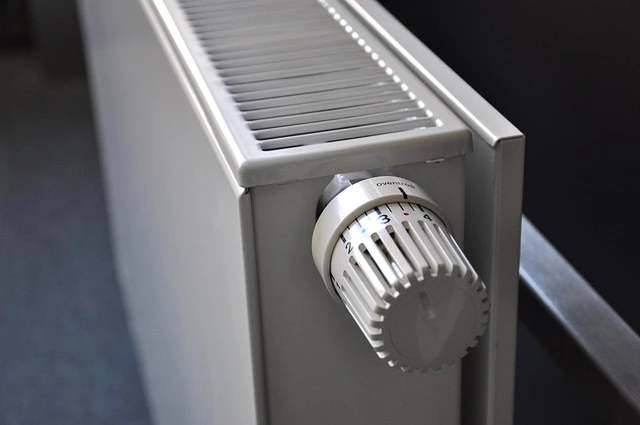
The most common heating complaint we hear in Antalya: "My boiler is running but some rooms just won't warm up." The cause is almost always the same — sludge, limescale and rust that have built up inside the radiators and pipes over the years. The blockage slows down water circulation, reduces heat transfer and forces your boiler to run longer and burn more gas. Tesisat Antalya provides professional chemical radiator cleaning, system power flushing, air bleeding and inhibitor treatment across all Antalya districts. Our team includes English-speaking staff. Call us: +90 532 694 74 19
Why Radiators Stop Heating Properly
Heating systems are closed loops — the same water circulates through the radiators and pipes year after year. Over time:
- Limescale: Antalya's tap water is classified as hard to very hard. Calcium carbonate deposits coat the inside of radiators and pipes, acting as an insulating layer that reduces heat transfer. Even a 1 mm coating reduces efficiency by around 10 %.
- Magnetite (black sludge): Metal pipes and radiators oxidise over time, producing magnetite particles that circulate with the water. These particles accumulate at the lowest flow points — typically the bottom of radiators — forming a solid blockage.
- Air locks: Air trapped inside a radiator creates a cold patch. A radiator that is hot at the top and cold at the bottom is almost always air-locked; bleeding resolves this quickly.
- Rust: Older steel pipe systems in Antalya's pre-2000 buildings produce significant rust. Left untreated, this rust circulates and accelerates wear on the boiler pump and heat exchanger.
Our System Flush Process
- Thermal mapping: Each radiator is checked by hand and with a temperature gauge. Hot and cold spots are recorded — this tells us where the worst blockages are.
- Pre-flush drain: The existing system water is drained off; heavy sludge and loose particles exit at this stage.
- Chemical injection: A specialist flushing chemical is added — acidic formulas for limescale-dominant systems, alkaline for sludge and magnetite. The choice depends on what the drained water shows.
- Circulation: The chemical circulates through the entire system for 2–4 hours, dissolving scale and suspending sludge.
- Flush and rinse: The chemical water is drained; the system is refilled and drained several times until the exit water runs clear and the pH is neutral.
- Inhibitor dosing: A corrosion and scale inhibitor is added to the clean system. The inhibitor coats metal surfaces with a protective film and significantly slows future build-up.
- Air bleeding, pressure check and test run: Every radiator is bled; the system is pressurised to 1–1.5 bar. The boiler is started and each radiator is confirmed to be heating evenly. A written service report is issued.
Benefits of a System Flush
- Lower gas bills: A clean system reduces boiler run-time. Typical gas savings are 15–25 % compared to a heavily fouled system.
- Even heating: Every room and every radiator reaches the same temperature. Hot upstairs / cold downstairs problems disappear.
- Faster warm-up: Clean radiators reach room temperature significantly faster.
- Silent system: Ticking, clicking and gurgling from radiators is caused by air and sludge — both are removed in the flush.
- Longer boiler life: A dirty system accelerates wear on the circulator pump and heat exchanger. Flushing reduces that strain.
Antalya Hard Water — Why It Matters
Antalya's water hardness is among the highest in Turkey — typically 200–400 mg/L calcium carbonate depending on the district. This means limescale forms faster here than in most European cities. In practice:
- A system flush every 3–4 years is recommended for apartment buildings on municipal supply.
- Properties in Döşemealtı using well water may see scale forming faster — well water can be significantly harder than the municipal supply.
- After a flush, adding a scale inhibitor at the correct dose is particularly important in Antalya to extend the interval before the next cleaning is needed.
Underfloor Heating Circuit Flushing
Many villas and newer apartments in Antalya have underfloor heating circuits alongside conventional radiators. Flushing an underfloor circuit requires a different approach: the cross-linked polyethylene (PE-X) pipes used in these systems are sensitive to strongly acidic chemicals, so a neutral or mildly alkaline formulation is used. Each manifold circuit is flushed independently. We offer a combined package that covers both radiator and underfloor circuits in a single visit.
When Should You Book a System Flush?
- Some radiators are partially or completely cold
- The top of a radiator is warm but the bottom stays cold
- Some rooms are noticeably colder than others
- The boiler runs constantly but the house won't heat up
- Your gas bills have increased compared to previous years
- You can hear gurgling or ticking from the radiators
- You haven't had a flush in the last 3–5 years
- You've just moved into an older building
Service Areas
- Konyaaltı Radiator Cleaning
- Muratpaşa Radiator Cleaning
- Kepez Radiator Cleaning
- Döşemealtı Radiator Cleaning
Frequently Asked Questions
- How long does a system flush take? For a standard apartment (8–12 radiators) including chemical circulation time: 3–5 hours. Larger villas with underfloor heating circuits take longer.
- Do I need to be home during the flush? Yes — access to the boiler, all radiators and the manifold (if present) is needed throughout the process.
- Can I use the heating immediately after the flush? Yes. The boiler is test-run as the final step and you can use heating normally straight away.
- How often should a system be flushed? Every 3–4 years in Antalya. If symptoms appear before that interval, book earlier.
- Do you speak English? Yes. Our team includes English-speaking staff and we regularly work with foreign residents and property owners across Antalya.
- How quickly can you come? Central districts (Konyaaltı, Muratpaşa) typically 20–35 minutes. Kepez and Döşemealtı 30–50 minutes.

